
Justice CoLab is a collective of consultants and activists working at the intersection of justice, learning, and social and environmental change.
We work with civil society, movements, and organisations to explore how harm is addressed, how systems can change, and how we can build more just futures. Our work combines research, analysis, facilitation, and reflective learning to support action that is grounded in context and led by those living and working at the heart of these challenges.
Our
Story
Justice CoLab was born out of friendship, frustration, and a collective desire to do better.
What We Do
We do a mix of things: research, learning, facilitation, strategy, accompaniment, and practical support for organisations and movements working for justice.
The form changes from project to project, but the focus is usually the same: helping people think clearly, work collaboratively, and imagine new ways of responding to complex challenges.
Doing
How we collaborate to shape ideas, strategies and action.
Design – we develop tools and processes that are useful, engaging and provocative.
Facilitation - we create spaces that help people think clearly and navigate complexity.
Advisory – we offer practical, experience-based input and help teams explore how it can be applied.
Accompaniment – we work closely with partners as they adapt and apply new ideas and learning.
Understanding
How we learn, figure things out, and help other to do the same.
Research - we ask the right questions, seek out overlooked perspectives, and avoid extractive approaches.
Learning – we embed learning practices at every stage, for ourselves and our partners.
Reflection – we resist urgency and take time to pause, especially when answers aren't clear.
Testing – we challenge assumptions and make sure insights hold up in different contexts.
Sharing
How we say what needs to be said, clearly, creatively and for the right people.
Communication – we say what needs to be said, clearly and creatively.
Storytelling – we share learning through human experiences that people can connect with.
Sensemaking – we help people distill complex ideas into something they can engage with and act on.
Translation – we make learning accessible, so it resonates across contexts and communities.
If you really want to see what we do, explore our Portfolio. The work speaks for itself.
What We Know
These themes reflect our current focus. They’re shaped by the experience and interests of the Justice CoLab collective and by the issues that feel most urgent in the world today.
They're not fixed. We expect them to evolve as we do, while continuing to centre questions related to justice and power. Though we name them separately, they often intersect in practice, especially in the complex, real-world challenges our partners are working through.
Place & Ecology
-
Housing, land, and property
-
Environmental and climate justice
-
Displacement, migration, and return
-
Community care for land and ecosystems
How land, ecosystems, and place-based identities are shaped by power, conflict, and resistance.
Justice & Accountability
How communities and systems heal, seek redress, and uphold fairness.
-
Restorative and transformative justice
-
Customary, informal, and community-led justice
-
Transitional justice and atrocity redress
-
Community healing, and reconciliation
-
Sexual and gender-based violence and trafficking
-
Child protection and safeguarding
-
Rule of law and access to justice
-
Legal empowerment
People, Movements & Power
How people organise, participate, and build more just and peaceful futures.
-
Social movements and organising
-
Feminist leadership and relational power
-
Civic space and political participation
-
Local leadership and shared decision-making
-
Governance, democracy, and accountability
-
Alternative education in conflict & crisis
-
Youth and intergenerational agency
Peace, Conflict & Systems Change
-
Mediation and dialogue
-
Peace tech and pro-social innovation
-
Conflict sensitivity and political analysis
-
Futures thinking and strategic foresight
How people navigate conflict, challenge systemic violence, and build toward lasting change.
Latest from the Collective

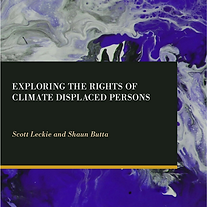
A Ministry of Climate Change?
Read about this and other suggestions how to to improve land law and policy to assist climate-displaced persons and communities in Shaun's new book.
Our Clients & Partners
We’ve had the privilege of working alongside and learning with incredible organisations, movements, and communities from around the world. Here are just some of the clients and partners we’ve collaborated with.